Why Adventure Games Are the Ultimate Real-Time Strategy Experience: A Deep Dive
When you think about the gaming world, what comes to your mind? Fast-paced action, strategy, excitement? There's something about adventure games that keeps drawing players back in. This article dives deep into the realm of adventure games and explores why they stand out as the ultimate experience in real-time strategy games.
Understanding Adventure Games
Adventure games have a unique charm. They combine storytelling, exploration, and problem-solving. Titles in this genre often focus on narratives that draw players into captivating worlds, leaving them eager to uncover more. Unlike traditional real-time strategy games that emphasize military tactics and resource management, adventure games bring a different flavor to the table.
The Essence of Real-Time Strategy Games
Real-time strategy games are all about quick thinking and immediate decisions. Players must gather resources, build structures, and command units on the fly. The thrill comes from the pressure of real-time action, making split-second choices that could lead to victory or defeat. But how do adventure games fit into this equation?
Adventure Meets Strategy
At first glance, it might seem like a contradiction. But adventure games often incorporate elements of strategy. Players must analyze their surroundings, solve puzzles, and make choices that affect the story’s progression. This blend creates a strategic depth that is often overlooked.
EA Sports FC 24: A Case Study
With the recent release of EA Sports FC 24, players have witnessed an interesting merger of adventure and strategy elements in sports gaming. Though primarily a sports title, it employs strategic gameplay mechanics needing players to think critically and plan their moves, much like in adventure games. This cross-genre innovation shows the potential of blending these gaming styles.
The Allure of Story-Driven Gameplay
Adventure games thrive in their ability to narrate engaging stories. They immerse players in intricate plots, often filled with twists that demand careful consideration. A well-crafted story adds layers of depth to the gameplay, pushing players to analyze their choices—much like what a strategist does in a heated real-time strategy scenario.
Exploration and Discovery
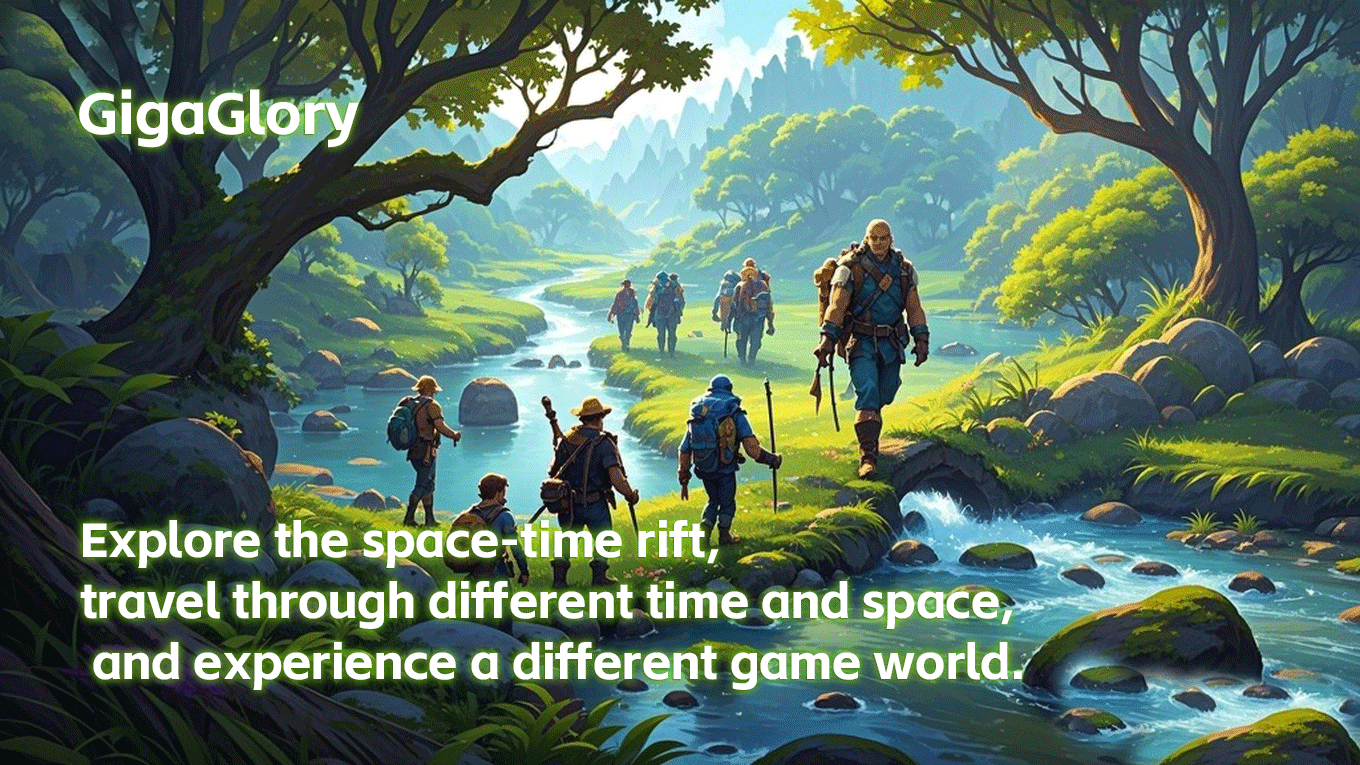
One of the core aspects of adventure gaming is exploration. Players venture through rich environments, discovering hidden treasures and lore. This parallels strategy games, where knowledge of the map and enemy positions can turn the tide of battle. Remember the days of playing CS GO with its "potato graphics"? You had to navigate maps, predict enemy tactics, and strategize based on the environment—all while ensuring your gameplay experience was satisfying!
Building Emotional Connections
In adventure games, players often form emotional bonds with characters. The decisions you make impact not only the plot but the fate of these characters. This emotional engagement is less common in typical real-time strategy games, where the focus is on units and numbers rather than individual stories.
The Challenge of Strategy in Adventure Games
Adventure games often require players to think strategically. Puzzles demand logical thinking, and sometimes players must manage resources, whether it’s health packs in a survival game or materials in a crafting scenario. This strategic aspect aligns closely with the principles that govern classic real-time strategy games.
Community Engagement and Collaboration
Multiplayer features in adventure games—such as co-op missions—allow players to collaborate. This teamwork reflects the cooperative strategies often seen in multiplayer real-time strategy games, where planning and execution are key. It’s about joining forces to achieve common goals, creating a unique gaming experience.
The Future of Adventure Games
As technology progresses, adventure games are likely to integrate even more strategic elements. Innovations in AI, graphics, and interactivity can enhance gameplay, allowing for more complex narratives and challenging scenarios. The lines between different genres will continue to blur, making way for new experiences.
Key Points to Remember
- Adventure games focus on storytelling and exploration.
- Real-time strategy games emphasize quick decision-making and resource management.
- The blend of strategy and adventure creates a unique gaming experience.
- Modern titles like EA Sports FC 24 show the potential for genre crossover.
- Emotional connections with characters enhance gameplay immersion.
- Collaboration in adventure games mirrors the teamwork seen in strategy games.
Conclusion
In conclusion, adventure games represent an exciting frontier in the gaming world. Their merging of strategy with storytelling creates a captivating experience that resonates with many players. As genres continue to evolve, the possibilities are limitless. Whether you're a die-hard fan of adventure games or a newcomer exploring this genre, one thing is clear: the future is bright, engaging, and full of thrilling adventures!